Create an account
Welcome! Register for an account
La password verrà inviata via email.
Recupero della password
Recupera la tua password
La password verrà inviata via email.

-
- container colonna1
- Categorie
- #iorestoacasa
- Agenda
- Archeologia
- Architettura
- Arte antica
- Arte contemporanea
- Arte moderna
- Arti performative
- Attualità
- Bandi e concorsi
- Beni culturali
- Cinema
- Contest
- Danza
- Design
- Diritto
- Eventi
- Fiere e manifestazioni
- Film e serie tv
- Formazione
- Fotografia
- Libri ed editoria
- Mercato
- MIC Ministero della Cultura
- Moda
- Musei
- Musica
- Opening
- Personaggi
- Politica e opinioni
- Street Art
- Teatro
- Viaggi
- Categorie
- container colonna2
- Servizi
- Sezioni
- container colonna1



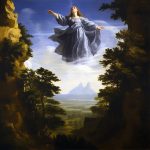
Fabrizio Ajello – To Take Flight
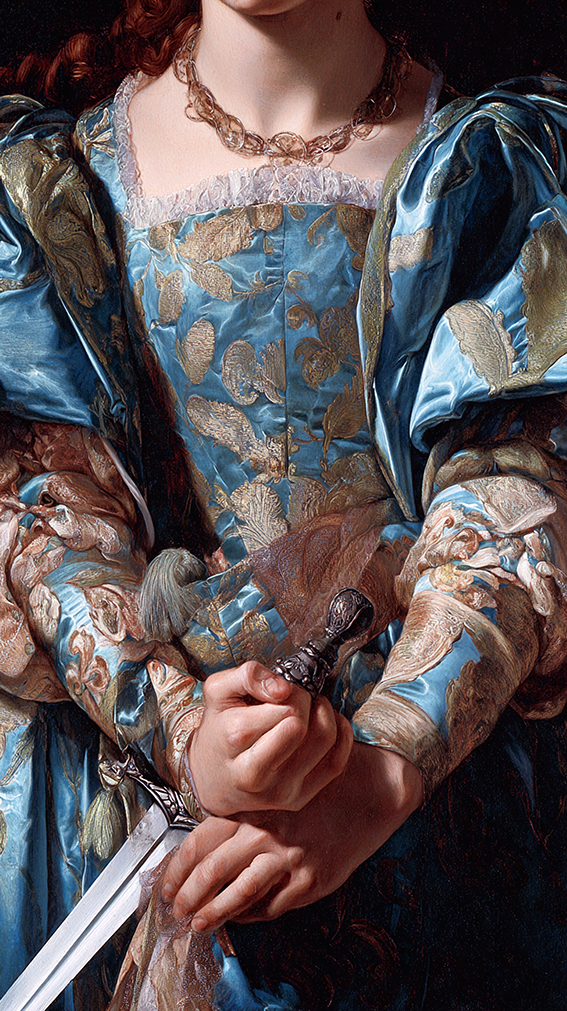
To Take Flight di Ajello è un progetto artistico che propone alcuni lavori realizzati attraverso un’interazione tra differenti media, ma soprattutto grazie ad alcune applicazioni text to image. Si tratta di opere che mettono in “crisi” la nostra comprensione e le nostre abitudini percettive.
Comunicato stampa
Condividi l'evento
TO TAKE FLIGHT
(scroll for English)
La galleria LdM è lieta di presentare To Take Flight di Fabrizio Ajello, un progetto artistico che propone alcuni lavori realizzati attraverso un'interazione tra differenti media, ma soprattutto grazie ad alcune applicazioni text to image. Si tratta di opere che mettono in "crisi" la nostra comprensione e le nostre abitudini percettive.
La relazione tra l’immagine e ciò che per certi versi definiamo realtà, una delle peculiarità intrinseche nella stessa esistenza dell’arte, è già da qualche anno il centro della ricerca artistica di Ajello che l’artista ha anche affrontato nel libro L’immagine Leggera: arte ricondizionata, risognata, ritrasmessa, uscito nel 2024 per la casa editrice Castelvecchi.
To Take Flight presenta un immaginario che ci riporta a tematiche e stili riconducibili al Rinascimento e al Barocco, in una modalità mimetica ma sempre in chiave reinterpretativa e liminale. Avvicinandosi, lo spettatore non trova i supporti o formati convenzionali e nemmeno riesce a scorgere la pennellata o percepire la fragranza tipica della pittura ad olio. E anche l'iconografia risulta straniante e perturbante. Le rappresentazioni sono altro, sono create dall’artista tramite un processo lungo di ricerca con l’aiuto di alcune applicazioni TTI che sfruttano l'intelligenza artificiale.
I protagonisti sono i santi, le sante, i loro martirii, rappresentazioni diffuse e determinati durante il Rinascimento e il Barocco.
Ajello ha sempre lavorato sull’immagine sacra, un’immagine senza spazio e senza tempo, prodotta dall’immaginazione umana che rappresenta l’irrappresentabile e che connette in qualche modo il divino e il terreno.
Un altro tema è la violenza velata ma allo stesso tempo evidente, quasi necessaria per raggiungere l’aldilà, la sofferenza feticizzata, da parte delle vittime come certificazione per giustificare la santità, e dalla parte dei carnefici come ad esorcizzare gli impulsi più brutali dell’essere umano, quasi un rito d’iniziazione. Qui le protagoniste sono soprattutto donne.
La Storia dell’Arte è pervasa dalla rappresentazione del corpo femminile, principalmente da un punto di vista maschile. Uno sguardo unilaterale che rivela un immaginario costrittivo che evidenzia come la società percepisce la donna e che cosa si aspetta da lei. L’immagine quindi è una costruzione, storica, sociale, artistica, esperienziale, onirica. Una costruzione piena di impulsi personali o archetipici che distraggono e ci allontanano da ciò che dovrebbe essere la realtà.
Un'immagine quindi non è unicamente quello che vediamo, ma anche quello che conosciamo, che ci aspettiamo di vedere, che sentiamo, che vogliamo nascondere o che non conosciamo. Percepire un’immagine non è solamente una questione del processo fisico generato tra il riflesso della luce e il nostro occhio. Paul Valery dice “gli occhi sono gli organi finalizzati a chiedere” e Ajello nel suo libro aggiunge: “Gli occhi sono gli organi finalizzati a predare”. L’Umanità ingoia, si riempie delle immagini che con lo sviluppo di social media e delle IA diventano sempre più ambigue.
Come affrontare quindi oggi il caos immaginale nel quale siamo immersi? Siamo continuamente sollecitati dalle immagini specialmente nei nostri mondi virtuali, nei social media e anche qui l’immagine ritrasmessa quasi all’infinito nel mondo virtuale può rappresentare noi, come siamo veramente o rimane un appiglio visuale per l'immaginazione o l’interpretazione di centinaia di spettatori? In più con l’avvento della IA anche l’immagine visuale non necessariamente riflette la realtà come ci parrebbe ma viene frammentata tramite uno specchio frantumato.
Ed è proprio qui, tra ciò che è, ciò che non è e ciò che potrebbe essere che si inseriscono le opere di Ajello. Una reazione inaspettata, posizione non consueta che fa apparire un'alterità del visibile e apre la porta per un nuovo punto di vista, una nuova ricostruzione, una nuova possibile storia.
In mostra troviamo i santi e i martiri in condizioni di tensione e pericolo che ci rimandano per stile e in parte tematica a icone del passato, ma qualcosa non sembra funzionare. Il dettaglio inganna e porta altrove, dalla tipologia di media utilizzati, agli improbabili contesti e alle sospette interazioni. Lo sguardo sembra quasi il vero protagonista di alcuni lavori. Lo sguardo inquieto, teso, severo dei personaggi, indica chiaramente il pericolo imminente, una violenza che aleggia tra i corpi.
Ma allo stesso tempo i santi in estasi o volanti, segnalano una leggerezza che dovrebbe/potrebbe svincolare dalla terribile pesantezza delle brutture del mondo.
Questo doppio immaginario si rivela anche nel titolo, infatti To Take Flight in inglese significa sia volare che scappare.
L’Uomo è l’unico essere vivente che cerca un rapporto con la realtà per mantenere un equilibrio tra comprensibile e incomprensibile, tra di qua e di là. Forse anche per questa ragione gli uomini e le donne si sono sempre chiesti cosa accadde dopo la morte o meglio hanno sempre cercato quasi ossessivamente di raggiungere l’immortalità. Gli eroi e i santi sono l’esempio del trionfo sulla morte. Morire per essere salvati, morire per essere ricordati. “Alla morte dunque - si sfugge con la morte stessa.” E il cerchio si chiude.
Spela Zidar
----------------------------------------
TO TAKE FLIGHT
LdM Gallery is pleased to present To Take Flight by Fabrizio Ajello, an artistic project featuring works created through the interaction of different media, but above all through text-to-image applications. These works challenge our understanding and perceptual habits.
The relationship between the image and what we in some ways define as reality, one of the intrinsic peculiarities of the very existence of art, has been at the heart of Ajello's artistic research for several years, which the artist also explored in the book L’immagine Leggera: arte ricondizionata, sognata, ritrasmessa (The Light Image: Reconditioned, Re-dreamed, Retransmitted Art), published in 2024 by Castelvecchi.
To Take Flight presents an imagery that takes us back to themes and styles traceable to the Renaissance and Baroque periods, mimetically yet always with a reinterpretative and liminal approach. As the viewer approaches, they find no conventional supports or formats, nor can they discern the brushstrokes or perceive the characteristic fragrance of oil paint. Even the iconography is alienating and unsettling. The representations are something else entirely, created by the artist through a lengthy research process with the help of TTI applications that exploit artificial intelligence.
The protagonists are saints, both male and female, and their martyrdoms, representations that were widespread and influential during the Renaissance and Baroque periods. Ajello has always worked with the sacred image, a spaceless and timeless image, produced by the human imagination that represents the unrepresentable and somehow connects the divine and the earthly.
Another theme is veiled yet evident violence, almost necessary to reach the afterlife, fetishized suffering, on the part of the victims as certification to justify their sanctity, and on the part of the executioners as if to exorcise the most brutal impulses of human beings, almost an initiation rite. Here, the protagonists are mostly women. The history of art is pervaded by the representation of the female body, primarily from a male perspective. This one-sided gaze reveals a constricting imagery that highlights how society perceives women and what it expects of them. The image, therefore, is a construction—historical, social, artistic, experiential, dreamlike. A construction filled with personal or archetypal impulses that distract and distance us from what should be reality.
An image, therefore, is not only what we see, but also what we know, what we expect to see, what we feel, what we want to hide, or what we don't know. Perceiving an image is not simply a matter of the physical process generated between the reflection of light and our eye. Paul Valéry says, "The eyes are the organs designed to ask," and Ajello adds in his book, "The eyes are the organs designed to prey." Humanity swallows, filling itself with images that, with the development of social media and AI, become increasingly ambiguous.
So how can we deal with the imaginative chaos in which we are immersed today? We are constantly stimulated by images, especially in our virtual worlds, on social media. And here too, can the image, almost infinitely retransmitted in the virtual world, represent us as we really are, or does it remain a visual hold for the imagination or interpretation of hundreds of spectators? Furthermore, with the advent of AI, even the visual image no longer necessarily reflects reality. The reality is fragmented, as if seen through a shattered mirror.
And it is precisely here, between what is, what is not, and what could be, that Ajello's works fit in. An unexpected reaction, an unconventional position that reveals an otherness of the visible and opens the door to a new point of view, a new reconstruction, a new possible history.
In the exhibition, we find saints and martyrs in conditions of tension and danger that, in style and partly in theme, hark back to icons of the past, but something doesn't seem to work. The detail deceives and leads elsewhere, from the type of media used, to the unlikely contexts and suspicious interactions. The gaze seems the true protagonist of some works. The restless, tense, stern gaze of the characters clearly indicates imminent danger, a violence hovering between the bodies.
But at the same time, the saints in ecstasy or flying signal a lightness that should/could free us from the terrible heaviness of the world's ugliness. This double imagery is also revealed in the title; in fact, "To Take Flight" in English means both "to fly" and "to escape." Man is the only living being who seeks a relationship with reality to maintain a balance between the comprehensible and the incomprehensible, between here and there. Perhaps for this reason too, men and women have always wondered what happens after death, or rather, have always sought almost obsessively to achieve immortality. Heroes and saints exemplify the triumph over death. Die to be saved, die to be remembered. "Therefore, by dying — one escapes death itself." And the circle is complete.
Spela Zidar
(scroll for English)
La galleria LdM è lieta di presentare To Take Flight di Fabrizio Ajello, un progetto artistico che propone alcuni lavori realizzati attraverso un'interazione tra differenti media, ma soprattutto grazie ad alcune applicazioni text to image. Si tratta di opere che mettono in "crisi" la nostra comprensione e le nostre abitudini percettive.
La relazione tra l’immagine e ciò che per certi versi definiamo realtà, una delle peculiarità intrinseche nella stessa esistenza dell’arte, è già da qualche anno il centro della ricerca artistica di Ajello che l’artista ha anche affrontato nel libro L’immagine Leggera: arte ricondizionata, risognata, ritrasmessa, uscito nel 2024 per la casa editrice Castelvecchi.
To Take Flight presenta un immaginario che ci riporta a tematiche e stili riconducibili al Rinascimento e al Barocco, in una modalità mimetica ma sempre in chiave reinterpretativa e liminale. Avvicinandosi, lo spettatore non trova i supporti o formati convenzionali e nemmeno riesce a scorgere la pennellata o percepire la fragranza tipica della pittura ad olio. E anche l'iconografia risulta straniante e perturbante. Le rappresentazioni sono altro, sono create dall’artista tramite un processo lungo di ricerca con l’aiuto di alcune applicazioni TTI che sfruttano l'intelligenza artificiale.
I protagonisti sono i santi, le sante, i loro martirii, rappresentazioni diffuse e determinati durante il Rinascimento e il Barocco.
Ajello ha sempre lavorato sull’immagine sacra, un’immagine senza spazio e senza tempo, prodotta dall’immaginazione umana che rappresenta l’irrappresentabile e che connette in qualche modo il divino e il terreno.
Un altro tema è la violenza velata ma allo stesso tempo evidente, quasi necessaria per raggiungere l’aldilà, la sofferenza feticizzata, da parte delle vittime come certificazione per giustificare la santità, e dalla parte dei carnefici come ad esorcizzare gli impulsi più brutali dell’essere umano, quasi un rito d’iniziazione. Qui le protagoniste sono soprattutto donne.
La Storia dell’Arte è pervasa dalla rappresentazione del corpo femminile, principalmente da un punto di vista maschile. Uno sguardo unilaterale che rivela un immaginario costrittivo che evidenzia come la società percepisce la donna e che cosa si aspetta da lei. L’immagine quindi è una costruzione, storica, sociale, artistica, esperienziale, onirica. Una costruzione piena di impulsi personali o archetipici che distraggono e ci allontanano da ciò che dovrebbe essere la realtà.
Un'immagine quindi non è unicamente quello che vediamo, ma anche quello che conosciamo, che ci aspettiamo di vedere, che sentiamo, che vogliamo nascondere o che non conosciamo. Percepire un’immagine non è solamente una questione del processo fisico generato tra il riflesso della luce e il nostro occhio. Paul Valery dice “gli occhi sono gli organi finalizzati a chiedere” e Ajello nel suo libro aggiunge: “Gli occhi sono gli organi finalizzati a predare”. L’Umanità ingoia, si riempie delle immagini che con lo sviluppo di social media e delle IA diventano sempre più ambigue.
Come affrontare quindi oggi il caos immaginale nel quale siamo immersi? Siamo continuamente sollecitati dalle immagini specialmente nei nostri mondi virtuali, nei social media e anche qui l’immagine ritrasmessa quasi all’infinito nel mondo virtuale può rappresentare noi, come siamo veramente o rimane un appiglio visuale per l'immaginazione o l’interpretazione di centinaia di spettatori? In più con l’avvento della IA anche l’immagine visuale non necessariamente riflette la realtà come ci parrebbe ma viene frammentata tramite uno specchio frantumato.
Ed è proprio qui, tra ciò che è, ciò che non è e ciò che potrebbe essere che si inseriscono le opere di Ajello. Una reazione inaspettata, posizione non consueta che fa apparire un'alterità del visibile e apre la porta per un nuovo punto di vista, una nuova ricostruzione, una nuova possibile storia.
In mostra troviamo i santi e i martiri in condizioni di tensione e pericolo che ci rimandano per stile e in parte tematica a icone del passato, ma qualcosa non sembra funzionare. Il dettaglio inganna e porta altrove, dalla tipologia di media utilizzati, agli improbabili contesti e alle sospette interazioni. Lo sguardo sembra quasi il vero protagonista di alcuni lavori. Lo sguardo inquieto, teso, severo dei personaggi, indica chiaramente il pericolo imminente, una violenza che aleggia tra i corpi.
Ma allo stesso tempo i santi in estasi o volanti, segnalano una leggerezza che dovrebbe/potrebbe svincolare dalla terribile pesantezza delle brutture del mondo.
Questo doppio immaginario si rivela anche nel titolo, infatti To Take Flight in inglese significa sia volare che scappare.
L’Uomo è l’unico essere vivente che cerca un rapporto con la realtà per mantenere un equilibrio tra comprensibile e incomprensibile, tra di qua e di là. Forse anche per questa ragione gli uomini e le donne si sono sempre chiesti cosa accadde dopo la morte o meglio hanno sempre cercato quasi ossessivamente di raggiungere l’immortalità. Gli eroi e i santi sono l’esempio del trionfo sulla morte. Morire per essere salvati, morire per essere ricordati. “Alla morte dunque - si sfugge con la morte stessa.” E il cerchio si chiude.
Spela Zidar
----------------------------------------
TO TAKE FLIGHT
LdM Gallery is pleased to present To Take Flight by Fabrizio Ajello, an artistic project featuring works created through the interaction of different media, but above all through text-to-image applications. These works challenge our understanding and perceptual habits.
The relationship between the image and what we in some ways define as reality, one of the intrinsic peculiarities of the very existence of art, has been at the heart of Ajello's artistic research for several years, which the artist also explored in the book L’immagine Leggera: arte ricondizionata, sognata, ritrasmessa (The Light Image: Reconditioned, Re-dreamed, Retransmitted Art), published in 2024 by Castelvecchi.
To Take Flight presents an imagery that takes us back to themes and styles traceable to the Renaissance and Baroque periods, mimetically yet always with a reinterpretative and liminal approach. As the viewer approaches, they find no conventional supports or formats, nor can they discern the brushstrokes or perceive the characteristic fragrance of oil paint. Even the iconography is alienating and unsettling. The representations are something else entirely, created by the artist through a lengthy research process with the help of TTI applications that exploit artificial intelligence.
The protagonists are saints, both male and female, and their martyrdoms, representations that were widespread and influential during the Renaissance and Baroque periods. Ajello has always worked with the sacred image, a spaceless and timeless image, produced by the human imagination that represents the unrepresentable and somehow connects the divine and the earthly.
Another theme is veiled yet evident violence, almost necessary to reach the afterlife, fetishized suffering, on the part of the victims as certification to justify their sanctity, and on the part of the executioners as if to exorcise the most brutal impulses of human beings, almost an initiation rite. Here, the protagonists are mostly women. The history of art is pervaded by the representation of the female body, primarily from a male perspective. This one-sided gaze reveals a constricting imagery that highlights how society perceives women and what it expects of them. The image, therefore, is a construction—historical, social, artistic, experiential, dreamlike. A construction filled with personal or archetypal impulses that distract and distance us from what should be reality.
An image, therefore, is not only what we see, but also what we know, what we expect to see, what we feel, what we want to hide, or what we don't know. Perceiving an image is not simply a matter of the physical process generated between the reflection of light and our eye. Paul Valéry says, "The eyes are the organs designed to ask," and Ajello adds in his book, "The eyes are the organs designed to prey." Humanity swallows, filling itself with images that, with the development of social media and AI, become increasingly ambiguous.
So how can we deal with the imaginative chaos in which we are immersed today? We are constantly stimulated by images, especially in our virtual worlds, on social media. And here too, can the image, almost infinitely retransmitted in the virtual world, represent us as we really are, or does it remain a visual hold for the imagination or interpretation of hundreds of spectators? Furthermore, with the advent of AI, even the visual image no longer necessarily reflects reality. The reality is fragmented, as if seen through a shattered mirror.
And it is precisely here, between what is, what is not, and what could be, that Ajello's works fit in. An unexpected reaction, an unconventional position that reveals an otherness of the visible and opens the door to a new point of view, a new reconstruction, a new possible history.
In the exhibition, we find saints and martyrs in conditions of tension and danger that, in style and partly in theme, hark back to icons of the past, but something doesn't seem to work. The detail deceives and leads elsewhere, from the type of media used, to the unlikely contexts and suspicious interactions. The gaze seems the true protagonist of some works. The restless, tense, stern gaze of the characters clearly indicates imminent danger, a violence hovering between the bodies.
But at the same time, the saints in ecstasy or flying signal a lightness that should/could free us from the terrible heaviness of the world's ugliness. This double imagery is also revealed in the title; in fact, "To Take Flight" in English means both "to fly" and "to escape." Man is the only living being who seeks a relationship with reality to maintain a balance between the comprehensible and the incomprehensible, between here and there. Perhaps for this reason too, men and women have always wondered what happens after death, or rather, have always sought almost obsessively to achieve immortality. Heroes and saints exemplify the triumph over death. Die to be saved, die to be remembered. "Therefore, by dying — one escapes death itself." And the circle is complete.
Spela Zidar
18
settembre 2025
Fabrizio Ajello – To Take Flight
Dal 18 settembre al 17 ottobre 2025
arte contemporanea
Location
LDM GALLERY
Firenze, via de' Pucci, 4, (Firenze)
Firenze, via de' Pucci, 4, (Firenze)
Orario di apertura
Lunedì, mercoledì 10-14, martedì, giovedì, venerdì 16-19
Vernissage
18 Settembre 2025, ore 17
Sito web
Autore
Curatore
Autore testo critico
Progetto grafico
Produzione organizzazione