

Create an account
Welcome! Register for an account
La password verrà inviata via email.
Recupero della password
Recupera la tua password
La password verrà inviata via email.

-
- container colonna1
- Categorie
- #iorestoacasa
- Agenda
- Archeologia
- Architettura
- Arte antica
- Arte contemporanea
- Arte moderna
- Arti performative
- Attualità
- Bandi e concorsi
- Beni culturali
- Cinema
- Contest
- Danza
- Design
- Diritto
- Eventi
- Fiere e manifestazioni
- Film e serie tv
- Formazione
- Fotografia
- Libri ed editoria
- Mercato
- MIC Ministero della Cultura
- Moda
- Musei
- Musica
- Opening
- Personaggi
- Politica e opinioni
- Street Art
- Teatro
- Viaggi
- Categorie
- container colonna2
- Servizi
- Sezioni
- container colonna1



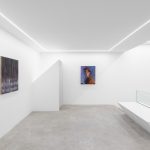
Actual Notes
Rolando Anselmi is thrilled to announce Actual Notes, presenting nine international artists whose
practices redefine the possibilities of contemporary painting.
Comunicato stampa
Segnala l'evento
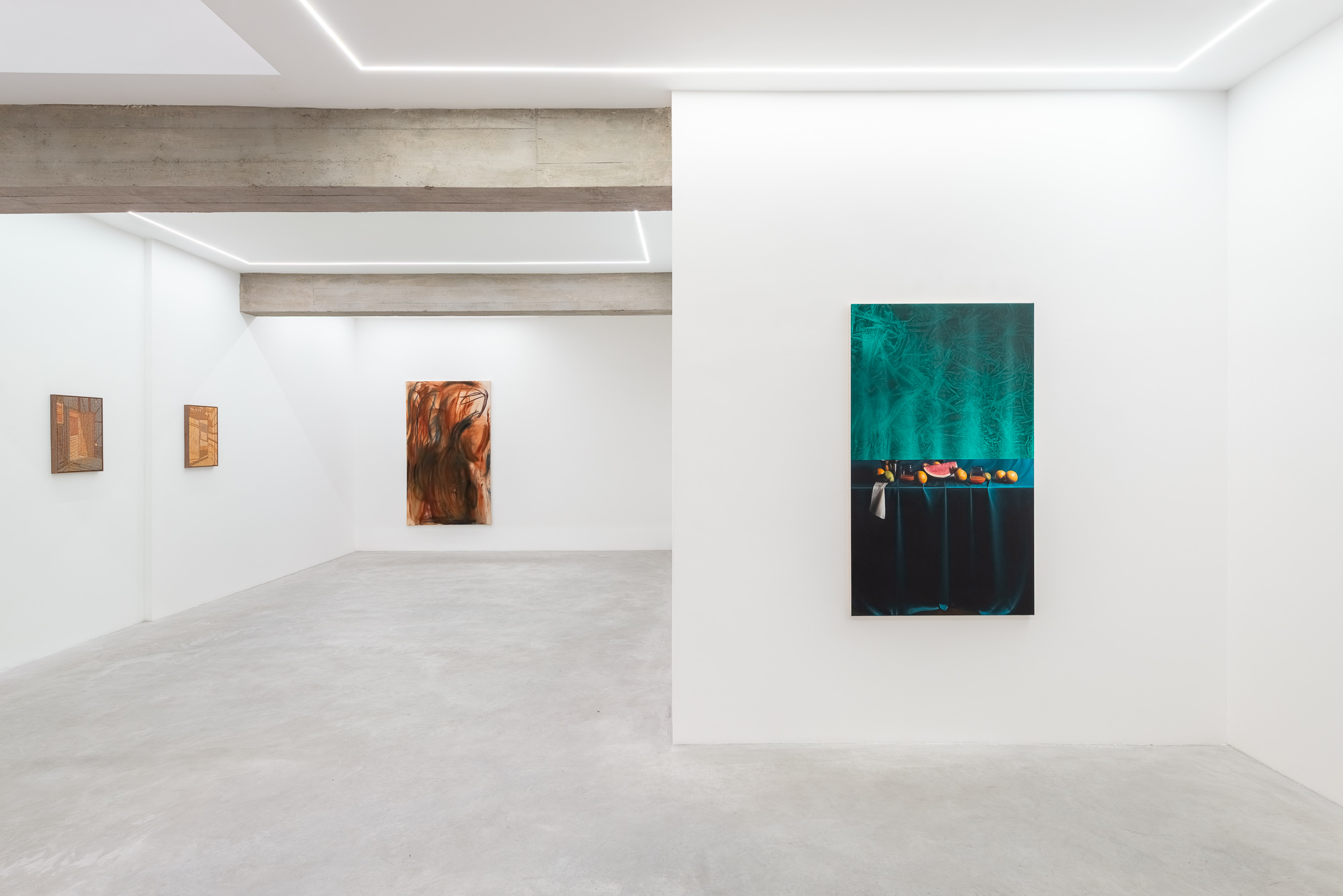
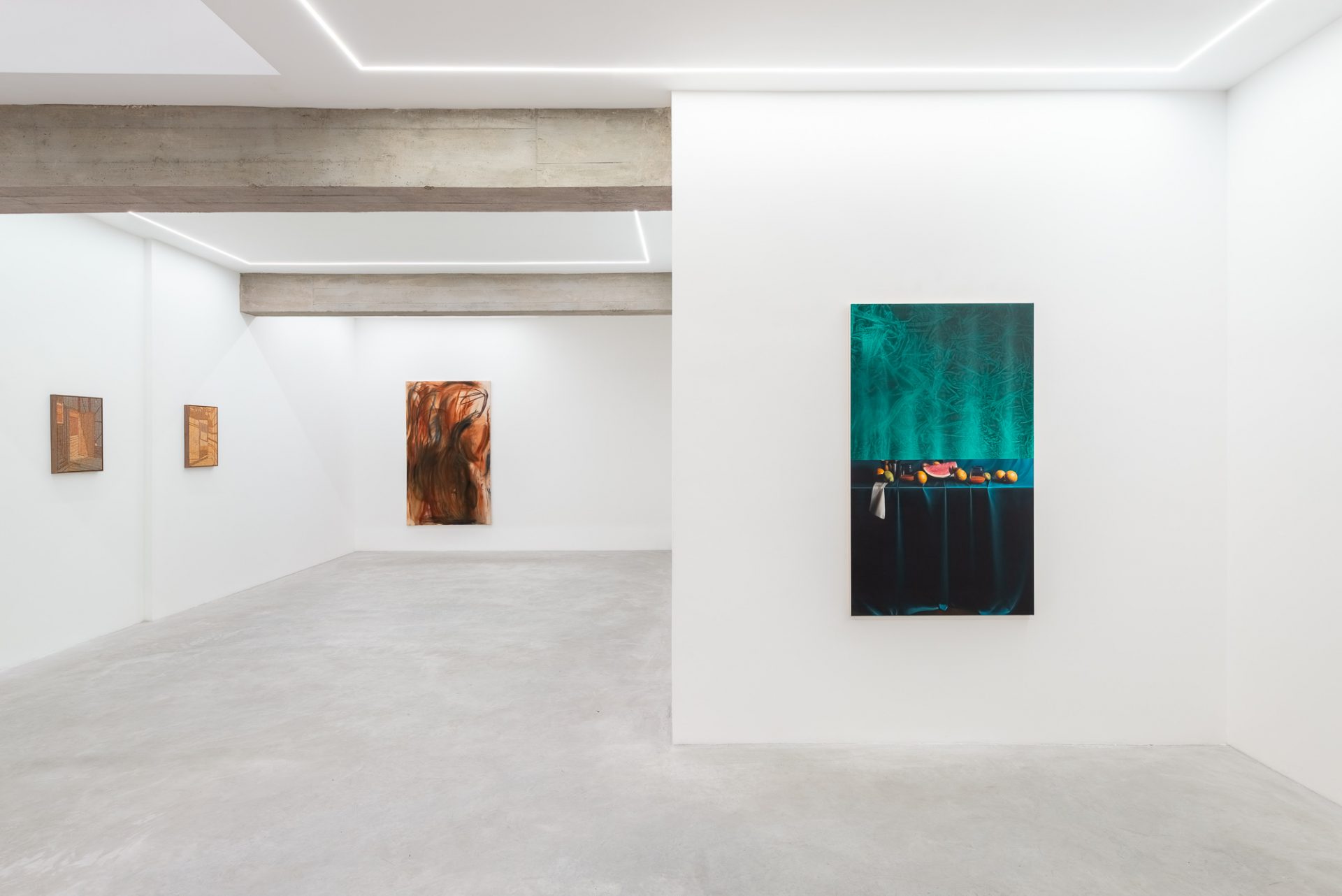
Rolando Anselmi is thrilled to announce Actual Notes, presenting nine international artists whose practices redefine the possibilities of contemporary painting. Spanning varied subject matter and distinctive techniques, the exhibition reflects the richness and versatility of the medium today, expanding the conventional debate surrounding the role and definition of painting in contemporary art. This exhibition will feature works by Marco Bizzarri (b. 1988, CL), Danielle Fretwell (b.1996, USA), Gregor Gleiwitz (b. 1977, PL), Diego Kohli (b. 1991, ES), JJ Manford (b. 1983, USA), Julien
Des Monstiers (b. 1983, FR), Norberto Spina (b.1995, ITA), Alina Vergnano (b. 1989, ITA), Ryota Watanabe (b. 1998, JPN).
The exhibition starts with Gregor Gleiwitz, whose work explores visual metamorphosis, perception, and the uncanny through shifting forms that oscillate between figuration and abstraction. The title 22.01.2025 refers to the date of completion, marking a specific moment within an ongoing process of creation that captures fragments of reality as they unfold in time. Ryota Watanabe’s practice unfolds as an act of creative destruction. In 星屑 (Stella) and Rain the gestures of painting and vandalism merge as the artist scrapes away layers of paint with self-made tools, revealing
alternative pictorial spaces that resist logic and computation. Diego Kohli constructs dreamlike scenes in which bodies and forms appear staged within theatrical and often enigmatic settings. Rooted in psychoanalysis and everyday experience, Homestory XIII opens a space for reflection and subjective interpretation. JJ Manford’s affinity for surrealism and bold colour unfolds through dreamlike yet harmonious, intricately furnished interiors. Though absent of inhabitants, traces of life, vibrant textiles, a flickering fireplace, and the reproduction of a Matisse masterpiece, invite viewers to imagine the personalities that might inhabit these spaces.
Descending to the lower floor, Brief Abundance, a still life by Danielle Fretwell, draws on the visual language of 17th-century painting while reflecting on the complexities of the digital age. Central to her work are “veils,” visual obstructions that address how information is filtered and mediated in contemporary culture, inviting viewers to question what lies beneath the surface. Julien Des Monstiers’ Tapis is produced through an innovative transfer-based oil painting technique. Drawing on tapestry-like ornamental motifs and geometrical forms, the work introduces layered depth and
texture while establishing a dialogue between historical craft traditions and contemporary painting. Marco Bizzarri translates his photographic encounters with the Atacama Desert into technically complex and carefully constructed paintings. In Umbral I, Umbral II, and Proyección, the desert becomes a site of constant transformation: dust functions as a metaphor for persistence, while the canvases adopt its logic of accumulation, suspension, and slow change. In Alina Vergnano’s large scale canvas, the figure organically dissolves into abstraction. In Touching on Sense (I), interwoven lines shift from references to the rational and the bodily toward a more intuitive emphasis on gesture
and sensation. The exhibition concludes with Testa di Cavallo and Redini by Norberto Spina, works that explore the tension between historical and contemporary references. Drawing on archival imagery, Spina translates fragments of personal and collective iconography onto canvas through incisive brushwork in oil, acrylic, and marker.
Des Monstiers (b. 1983, FR), Norberto Spina (b.1995, ITA), Alina Vergnano (b. 1989, ITA), Ryota Watanabe (b. 1998, JPN).
The exhibition starts with Gregor Gleiwitz, whose work explores visual metamorphosis, perception, and the uncanny through shifting forms that oscillate between figuration and abstraction. The title 22.01.2025 refers to the date of completion, marking a specific moment within an ongoing process of creation that captures fragments of reality as they unfold in time. Ryota Watanabe’s practice unfolds as an act of creative destruction. In 星屑 (Stella) and Rain the gestures of painting and vandalism merge as the artist scrapes away layers of paint with self-made tools, revealing
alternative pictorial spaces that resist logic and computation. Diego Kohli constructs dreamlike scenes in which bodies and forms appear staged within theatrical and often enigmatic settings. Rooted in psychoanalysis and everyday experience, Homestory XIII opens a space for reflection and subjective interpretation. JJ Manford’s affinity for surrealism and bold colour unfolds through dreamlike yet harmonious, intricately furnished interiors. Though absent of inhabitants, traces of life, vibrant textiles, a flickering fireplace, and the reproduction of a Matisse masterpiece, invite viewers to imagine the personalities that might inhabit these spaces.
Descending to the lower floor, Brief Abundance, a still life by Danielle Fretwell, draws on the visual language of 17th-century painting while reflecting on the complexities of the digital age. Central to her work are “veils,” visual obstructions that address how information is filtered and mediated in contemporary culture, inviting viewers to question what lies beneath the surface. Julien Des Monstiers’ Tapis is produced through an innovative transfer-based oil painting technique. Drawing on tapestry-like ornamental motifs and geometrical forms, the work introduces layered depth and
texture while establishing a dialogue between historical craft traditions and contemporary painting. Marco Bizzarri translates his photographic encounters with the Atacama Desert into technically complex and carefully constructed paintings. In Umbral I, Umbral II, and Proyección, the desert becomes a site of constant transformation: dust functions as a metaphor for persistence, while the canvases adopt its logic of accumulation, suspension, and slow change. In Alina Vergnano’s large scale canvas, the figure organically dissolves into abstraction. In Touching on Sense (I), interwoven lines shift from references to the rational and the bodily toward a more intuitive emphasis on gesture
and sensation. The exhibition concludes with Testa di Cavallo and Redini by Norberto Spina, works that explore the tension between historical and contemporary references. Drawing on archival imagery, Spina translates fragments of personal and collective iconography onto canvas through incisive brushwork in oil, acrylic, and marker.
14
marzo 2026
Actual Notes
Dal 14 marzo al 16 maggio 2026
arte contemporanea
Location
Galerie Rolando Anselmi | Roma
Roma, Via di Tor Fiorenza, 16, (RM)
Roma, Via di Tor Fiorenza, 16, (RM)
Orario di apertura
Dal mercoledì al sabato ore 15-19
Autore