Create an account
Welcome! Register for an account
La password verrà inviata via email.
Recupero della password
Recupera la tua password
La password verrà inviata via email.

-
- container colonna1
- Categorie
- #iorestoacasa
- Agenda
- Archeologia
- Architettura
- Arte antica
- Arte contemporanea
- Arte moderna
- Arti performative
- Attualità
- Bandi e concorsi
- Beni culturali
- Cinema
- Contest
- Danza
- Design
- Diritto
- Eventi
- Fiere e manifestazioni
- Film e serie tv
- Formazione
- Fotografia
- Libri ed editoria
- Mercato
- MIC Ministero della Cultura
- Moda
- Musei
- Musica
- Opening
- Personaggi
- Politica e opinioni
- Street Art
- Teatro
- Viaggi
- Categorie
- container colonna2
- Servizi
- Sezioni
- container colonna1



Silvano Tessarollo – Fragile
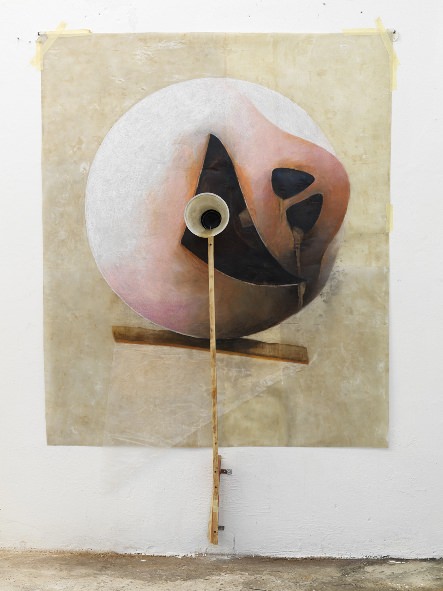
I lavori di Tessarollo esprimono attraverso la caducità delle forme e dei materiali uno stato di tensione emozionale,nascono dalla deriva diun’arte che si sposta verso la semplicità spogliandosi del superfluo.Il titolo “Fragile” sottolinea la precarietà dell’ esistenza, la sospensione del giudizio.
Comunicato stampa
Condividi l'evento
L’opera di Silvano Tessarollo unisce le caratteristiche del dramma a quelle del grottesco. Se da un lato sono evidenti gli stilemi della caducità, della fragilità, di un essere sempre in bilico tra
esistenza e non, nello stesso tempo non si sprofonda mai nella tragedia. Questo avviene perché nell’humus doloroso della condizione umana che i lavori sanno esprimere, l’artista si ferma sempre un attimo prima. Non insiste a cercare la conclusione seppur annunciata. Evoca qualcosa che in musica è stato espresso da Gustav Mahler, passando nella stesa sinfonia dalla marcia funebre al valzer. Si manifesta cioè l’impossibilità di andare fino al fondo del baratro, di manifestare una direzionalità abissale, fermandosi però un attimo prima di cadere nel vuoto. Tra l’altro “Dancing in the dark” è il titolo di una canzone di Bjork, e in fondo l’arte figurativa è compagna di strada di una visione della vita che non è nuova, ma anche nel mondo contemporaneo sta assumendo una dimensione importante.
Tessarollo recentemente ha anche portato qualcosa d’interessante non solo dal punto di vista della povertà dei materiali, ma soprattutto ha inserito il tema del grottesco come se questa deformazione aggiungesse ancora più gravità al dramma e alla tensione esistenziale. Il paradosso e l’innaturalità diventano aspetti sostanziali di una bizzarria rivelatrice della sofferenza. Le sue opere che non rinunciano alla rappresentazione e alla anatomia umana seppure semplificata, sono composte di lacerti, di brandelli di una realtà intimamente fragile. Le basi costitutive appaiono precarie, come il mondo contemporaneo, sempre più nudo di fronte ai problemi che non riesce a risolvere.
Le due recenti installazioni Grancassa (2010) appartengono ad una fase nuova dell’artista che si sta evolvendo in una forma in cui scultura e disegno convivono. Quest’ultima è invece una disciplina sempre frequentata da Tessarollo, anche se parzialmente rimossa durante il periodo in cui ricopriva di cera i giocattoli e i pupazzi. Inoltre i materiali come i teli di plastica usati in edilizia accrescono il senso di instabilità, di cantiere delle sue opere. Vi è qualcosa di non finito che invece è definitivo, come un grande progetto di civiltà lasciato a metà, come l’incompiutezza di un progetto ampio e non realizzato. Volutamente incompiuto, senza l’intervento del caso secondo la filosofia duchampiana.
Appare chiaro che l’artista stia cercando una direzione che unifichi le sue esperienze raccolte fino a questo momento e apra una fase nuova e complessa. Da un lato proprio un’opera chiave come Grancassa diventa grazie al movimento meccanico una sorta di mobiles in chiave post moderna. Le tecniche e i materiali appaiono coesi in modo labile ma strettamente calcolato. L’espressività arriva di conseguenza, sempre intensa come in tutti i lavori di Tessarollo. L’elemento del suono aggiunge qualcosa, la rende un’opera d’arte totale, crea un’ulteriore diversità ed espande la sensorialità sinestetica. È un lavoro in cui la ludicità del periodo precedente viene semplicemente evocata dall’idea della giostra, del carosello, ma la similitudine termina qui perché in questo caso si respira una tensione appena addolcita dal movimento. In fondo il lavoro di Silvano Tessarollo sta ad indicare non solo lo scivolamento del contemporaneo dalla tragedia al grottesco, ma anche il saper recuperare una dimensione di durezza e di assolutezza all’interno di una poetica del fragile, dell’essenziale. L’artista cerca e crea degli ossimori, perché ha compreso che il mondo contemporaneo non può essere compreso e cambiato, ma solo ricordato per com’era.
Silvano Tessarollo’s work joins together the characteristics of drama and the grotesque. If on the one hand there are evident signs of transience and fragility, of a Being always balanced between existence and non-existence, at the same time it never becomes tragic. This is because the artist stops a moment before arriving at the painful humus of the human condition that his work quite is able to express. He does not insist in searching for a conclusion even though one was forseen. He evokes something expressed by Gustav Mahler in music when, in a single symphony, he passed from a funeral march to a waltz. In other words, he shows the impossibility of plumbing the abyss; he indicates where the precipice is but stops a moment before falling into the void. Among other things, “Dancing in the dark” is the title of a song by Bjork, and deep down figurative art is the fellow traveller of a view of life that is not old but which in the contemporary world is acquiring great importance.
Recently Tessarollo has begun to develop in an interesting way; this is not just with reference to the poverty of his materials but, above all, to his use of the theme of the grotesque, as though this deformation added even more gravity to existential drama and tension. Paradox and artificiality become basic aspects of an odd revelation of suffering. His works do not renounce representation and human anatomy, even though greatly simplified; they consist of fragments, scraps of an intimately fragile reality. Their constitutive elements seem precarious, just like the contemporary world which is increasingly naked in front of problems it cannot resolve.
His two recent installations, like Grancassa dating from 2010, belong to a new period in the artist’s work which is evolving into a form where sculpture and drawing cohabit. This, in fact, is a form that Tessarollo has always used, even though it was partially repressed during the period when he covered toys and puppets in wax. Furthermore, such materials as plastic tarpaulins increase the sense of instability, as though his work was a building site. There is something unfinished which is yet definitive, like some great scheme by a civilization which has been left halfway through, like the incompleteness of an extensive and never built project. Willingly incomplete, without the intervention of chance in accordance with Duchamp’s philosophy.
Its seems clear that the artist is aiming for something that might unite his experiences up until now and open up a new and complex phase. On the one hand, just such a work as Grancassa becomes, as a result of its mechanical movement, a kind of postmodern mobile. The techniques and materials seem integrated in an ephemeral yet carefully calculated way. The outcome is its expressiveness which, as in all Tessarollo’s work, is intense. The element of sound adds something; it makes it a total work of art, creates further diversity, and expands its syneasthetic sensoriality. It is a work in which the lucidity of the earlier period is simply evoked by the idea of a merry-go-round or carousel, but here the similarity ends because in this case there is a tension only slightly sweetened by the movement.Basically, Tessarollo’s work indicates, not just the present day’s slide from tragedy into the grotesque, but also a way for recuperating a tough and absolute dimension within fragile and terse poetics. The artist looks for, and creates, oxymorons because he has understood that the contemporary world can no longer be understood and changed, but only remembered for what it was.
Tessarollo recentemente ha anche portato qualcosa d’interessante non solo dal punto di vista della povertà dei materiali, ma soprattutto ha inserito il tema del grottesco come se questa deformazione aggiungesse ancora più gravità al dramma e alla tensione esistenziale. Il paradosso e l’innaturalità diventano aspetti sostanziali di una bizzarria rivelatrice della sofferenza. Le sue opere che non rinunciano alla rappresentazione e alla anatomia umana seppure semplificata, sono composte di lacerti, di brandelli di una realtà intimamente fragile. Le basi costitutive appaiono precarie, come il mondo contemporaneo, sempre più nudo di fronte ai problemi che non riesce a risolvere.
Le due recenti installazioni Grancassa (2010) appartengono ad una fase nuova dell’artista che si sta evolvendo in una forma in cui scultura e disegno convivono. Quest’ultima è invece una disciplina sempre frequentata da Tessarollo, anche se parzialmente rimossa durante il periodo in cui ricopriva di cera i giocattoli e i pupazzi. Inoltre i materiali come i teli di plastica usati in edilizia accrescono il senso di instabilità, di cantiere delle sue opere. Vi è qualcosa di non finito che invece è definitivo, come un grande progetto di civiltà lasciato a metà, come l’incompiutezza di un progetto ampio e non realizzato. Volutamente incompiuto, senza l’intervento del caso secondo la filosofia duchampiana.
Appare chiaro che l’artista stia cercando una direzione che unifichi le sue esperienze raccolte fino a questo momento e apra una fase nuova e complessa. Da un lato proprio un’opera chiave come Grancassa diventa grazie al movimento meccanico una sorta di mobiles in chiave post moderna. Le tecniche e i materiali appaiono coesi in modo labile ma strettamente calcolato. L’espressività arriva di conseguenza, sempre intensa come in tutti i lavori di Tessarollo. L’elemento del suono aggiunge qualcosa, la rende un’opera d’arte totale, crea un’ulteriore diversità ed espande la sensorialità sinestetica. È un lavoro in cui la ludicità del periodo precedente viene semplicemente evocata dall’idea della giostra, del carosello, ma la similitudine termina qui perché in questo caso si respira una tensione appena addolcita dal movimento. In fondo il lavoro di Silvano Tessarollo sta ad indicare non solo lo scivolamento del contemporaneo dalla tragedia al grottesco, ma anche il saper recuperare una dimensione di durezza e di assolutezza all’interno di una poetica del fragile, dell’essenziale. L’artista cerca e crea degli ossimori, perché ha compreso che il mondo contemporaneo non può essere compreso e cambiato, ma solo ricordato per com’era.
Silvano Tessarollo’s work joins together the characteristics of drama and the grotesque. If on the one hand there are evident signs of transience and fragility, of a Being always balanced between existence and non-existence, at the same time it never becomes tragic. This is because the artist stops a moment before arriving at the painful humus of the human condition that his work quite is able to express. He does not insist in searching for a conclusion even though one was forseen. He evokes something expressed by Gustav Mahler in music when, in a single symphony, he passed from a funeral march to a waltz. In other words, he shows the impossibility of plumbing the abyss; he indicates where the precipice is but stops a moment before falling into the void. Among other things, “Dancing in the dark” is the title of a song by Bjork, and deep down figurative art is the fellow traveller of a view of life that is not old but which in the contemporary world is acquiring great importance.
Recently Tessarollo has begun to develop in an interesting way; this is not just with reference to the poverty of his materials but, above all, to his use of the theme of the grotesque, as though this deformation added even more gravity to existential drama and tension. Paradox and artificiality become basic aspects of an odd revelation of suffering. His works do not renounce representation and human anatomy, even though greatly simplified; they consist of fragments, scraps of an intimately fragile reality. Their constitutive elements seem precarious, just like the contemporary world which is increasingly naked in front of problems it cannot resolve.
His two recent installations, like Grancassa dating from 2010, belong to a new period in the artist’s work which is evolving into a form where sculpture and drawing cohabit. This, in fact, is a form that Tessarollo has always used, even though it was partially repressed during the period when he covered toys and puppets in wax. Furthermore, such materials as plastic tarpaulins increase the sense of instability, as though his work was a building site. There is something unfinished which is yet definitive, like some great scheme by a civilization which has been left halfway through, like the incompleteness of an extensive and never built project. Willingly incomplete, without the intervention of chance in accordance with Duchamp’s philosophy.
Its seems clear that the artist is aiming for something that might unite his experiences up until now and open up a new and complex phase. On the one hand, just such a work as Grancassa becomes, as a result of its mechanical movement, a kind of postmodern mobile. The techniques and materials seem integrated in an ephemeral yet carefully calculated way. The outcome is its expressiveness which, as in all Tessarollo’s work, is intense. The element of sound adds something; it makes it a total work of art, creates further diversity, and expands its syneasthetic sensoriality. It is a work in which the lucidity of the earlier period is simply evoked by the idea of a merry-go-round or carousel, but here the similarity ends because in this case there is a tension only slightly sweetened by the movement.Basically, Tessarollo’s work indicates, not just the present day’s slide from tragedy into the grotesque, but also a way for recuperating a tough and absolute dimension within fragile and terse poetics. The artist looks for, and creates, oxymorons because he has understood that the contemporary world can no longer be understood and changed, but only remembered for what it was.
04
novembre 2011
Silvano Tessarollo – Fragile
Dal 04 novembre al 23 dicembre 2011
arte contemporanea
Location
PAOLO TONIN ARTE CONTEMPORANEA
Torino, Via San Tommaso, 6, (Torino)
Torino, Via San Tommaso, 6, (Torino)
Orario di apertura
da lunedì a venerdì 10,30/19, sabato su appuntamento
Vernissage
4 Novembre 2011, ore 18
Autore
Curatore