Create an account
Welcome! Register for an account
La password verrà inviata via email.
Recupero della password
Recupera la tua password
La password verrà inviata via email.

-
- container colonna1
- Categorie
- #iorestoacasa
- Agenda
- Archeologia
- Architettura
- Arte antica
- Arte contemporanea
- Arte moderna
- Arti performative
- Attualità
- Bandi e concorsi
- Beni culturali
- Cinema
- Contest
- Danza
- Design
- Diritto
- Eventi
- Fiere e manifestazioni
- Film e serie tv
- Formazione
- Fotografia
- Libri ed editoria
- Mercato
- MIC Ministero della Cultura
- Moda
- Musei
- Musica
- Opening
- Personaggi
- Politica e opinioni
- Street Art
- Teatro
- Viaggi
- Categorie
- container colonna2
- Servizi
- Sezioni
- container colonna1


Andy Parker – Biennale People
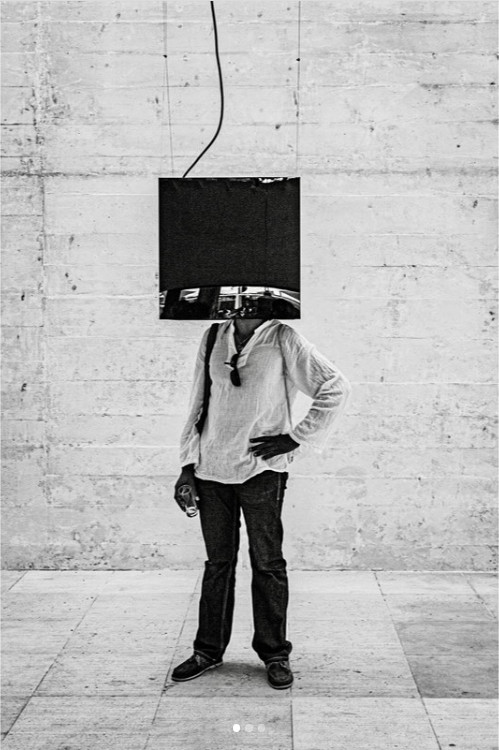
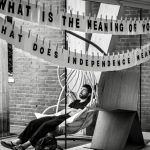
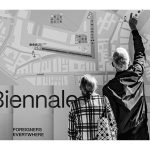
Il filo conduttore della serie fotografica di Andy Parker è il pubblico alla ricerca, o in contemplazione, o di passaggio accanto, o immerso nelle istallazioni che tutti a Venezia riconoscono come Biennale. Con tanto di humor britannico si indaga l’antropologia del contemporaneo.
Comunicato stampa
Segnala l'evento
Venezia industriale di fine Ottocento aveva 150.000 abitanti (o quasi) e qualche migliaio di turisti privilegiati che qui si fermavano, di solito, per periodi lunghi, qualcuno nelle pensioncine, altri affittando interi palazzi. L'immaginario del viaggiatore a Venezia segnava come ricordo caratteristico il gondoliere e la sua gondola con o senza felze, il pescatore con le sue ceste, la merlettaia, la popolana che porta l'acqua dal pozzo, i ragazzini nudi a far tuffi nei canali.
Quali sono, oggi, le figure di questa città di 50.000 abitanti, che accoglie all'anno 20 milioni e passa di visitatori? Quali sono i segni urbani più pregnanti, oggi, in città? Non smetteranno mai di avere la loro parte i palazzi, i campanili e le chiese, però sembra che l'arte contemporanea e le sue istallazioni hanno preso ormai la parte del leone – in senso figurato, ma anche in senso proprio. Nuovi riferimenti sorgono temporaneamente nei campi o nei canali, sostituendosi all'antico leone veneziano già simbolo del potere, accaparrando la città con una forma peculiare di soft-power. Forse la temporaneità di questi segni – da aprile o maggio fino a novembre – è anche una metafora del tempo contemporaneo, più veloce a tritare simboli. In ogni caso, tutto questo è parte di un paesaggio visivo subito timbrato nella coscienza internazionale come la Biennale di Venezia, come ci insegna anche la scena del Grande Lebowski dei fratelli Coen: la telefonata giunta a Los Angeles “It's Sandro, about Biennale” non ha bisogno di ulteriori precisazioni. Bisogna ricordare che – eccezionalmente – a Venezia la parola 'istallazione' non evoca impiantistica, ma arte contemporanea.
Il filo conduttore della serie di foto di Andy Parker è proprio il pubblico alla ricerca, o in contemplazione, o di passaggio accanto, o immerso nelle istallazioni che tutti riconosciamo come Biennale: guardare chi guarda è un progetto di fotografia di strada.
Non manca mai, nelle fotografie di Andy, il rapporto con la fotografia storica, forse molto pregnante anche per l'uso del bianco-nero; ma nel caso di “Biennale People”, a differenza delle altre selezioni “Caigo” e “Venetian Geometry”, il rapporto è invertito, perché con tanto di humor britannico si contrappone l'antropologia del contemporaneo all'antropologia visiva della Venezia storica.
Il fotografo Andy Parker è nato in Gran Bretagna, ma vive e lavora a Venezia e nei dintorni. Ispirato dai fotografi modernisti e dal giornalismo fotografico del XX secolo, nonché dalla qualità senza tempo della pellicola, 'Biennale People' è parte di un progetto fotografico più ampio, in corso, che prova a preservare l'essenza, l'anima e l'atmosfera di Venezia, al di fuori della scena turistica.
[ENG]
Venice as industrial city, at the end of the XIX century, counted around 150.000 inhabitans and a few thousands priviledged tourists per year, that stayed in town usually for long periods of time, some in small pensions, others renting whole palaces for months. The figures signed as characteristic in the immaginary of the traveler to Venice were the gondolier with his gondola, with or without felze (the black cover), or the fisherman and his baskets, the lace maker, the woman carrying the water buckets from the stone well, the boys jumping for a swim in the canals.
Which are, today, the crowds of this city of 50.000 residents that accomodates, each year, more than 20 millions of visitors? Which are the strongest urban signs, today, in the city of Venice? The palaces, churches or bell towers will never stop playing their part, but perhaps the contemporary art and its installations took, by now, the lion's share – in a figurative way of speaking, but not only. New urban signs grow temporarely in campi or canals, outruling the old symbol of power of venetian lion, hoarding the city with a peculiar form of soft-power. Perhaps the temporaneity of this gestures – from April or May to November – it's a metaphor of the present times, very quick in chopping symbols. Any way, all this is part of a visual landscape immediately labeled in the international consciense as Venice Biennale, as the scene in The Big Lebowski by the Coen brothers teaches us: the phone rigs in Los Angeles and the words “It's Sandro, from Biennale” need no other explanation. One must keep in mind that – exceptionally – in Venice the word “installation” does not evoke to the listener some kind of plumbing with pipes, but contemporary art.
The fil rouge of Andy Parker's photographic series is, actually, the public researching, or contemplating, or passing by, or immerging into the installations that we all recongnize as Biennale: Watching the Watchers as a street photography project.
The reference to historic photography never fails in Andy's photos, perhaps particularly strong for the use of black and white; but in the case of “Biennale People”, unlike the previous selections “Caigo” and “Venetian Geometry”, the relationship is inverted, because – with a touch of British humour – the contemporary anthropology confronts the visual anthropology of historical Venice.
Andy Parker is a British born photographer, who lives and works in and around Venice. Inspired by the modernist photographers and photojournalists of the 20th century, and the timeless quality of film, 'Biennale People' is part of an evolving broader photographic project attempting to preserve the essence, soul and atmosphere of Venice.
Quali sono, oggi, le figure di questa città di 50.000 abitanti, che accoglie all'anno 20 milioni e passa di visitatori? Quali sono i segni urbani più pregnanti, oggi, in città? Non smetteranno mai di avere la loro parte i palazzi, i campanili e le chiese, però sembra che l'arte contemporanea e le sue istallazioni hanno preso ormai la parte del leone – in senso figurato, ma anche in senso proprio. Nuovi riferimenti sorgono temporaneamente nei campi o nei canali, sostituendosi all'antico leone veneziano già simbolo del potere, accaparrando la città con una forma peculiare di soft-power. Forse la temporaneità di questi segni – da aprile o maggio fino a novembre – è anche una metafora del tempo contemporaneo, più veloce a tritare simboli. In ogni caso, tutto questo è parte di un paesaggio visivo subito timbrato nella coscienza internazionale come la Biennale di Venezia, come ci insegna anche la scena del Grande Lebowski dei fratelli Coen: la telefonata giunta a Los Angeles “It's Sandro, about Biennale” non ha bisogno di ulteriori precisazioni. Bisogna ricordare che – eccezionalmente – a Venezia la parola 'istallazione' non evoca impiantistica, ma arte contemporanea.
Il filo conduttore della serie di foto di Andy Parker è proprio il pubblico alla ricerca, o in contemplazione, o di passaggio accanto, o immerso nelle istallazioni che tutti riconosciamo come Biennale: guardare chi guarda è un progetto di fotografia di strada.
Non manca mai, nelle fotografie di Andy, il rapporto con la fotografia storica, forse molto pregnante anche per l'uso del bianco-nero; ma nel caso di “Biennale People”, a differenza delle altre selezioni “Caigo” e “Venetian Geometry”, il rapporto è invertito, perché con tanto di humor britannico si contrappone l'antropologia del contemporaneo all'antropologia visiva della Venezia storica.
Il fotografo Andy Parker è nato in Gran Bretagna, ma vive e lavora a Venezia e nei dintorni. Ispirato dai fotografi modernisti e dal giornalismo fotografico del XX secolo, nonché dalla qualità senza tempo della pellicola, 'Biennale People' è parte di un progetto fotografico più ampio, in corso, che prova a preservare l'essenza, l'anima e l'atmosfera di Venezia, al di fuori della scena turistica.
[ENG]
Venice as industrial city, at the end of the XIX century, counted around 150.000 inhabitans and a few thousands priviledged tourists per year, that stayed in town usually for long periods of time, some in small pensions, others renting whole palaces for months. The figures signed as characteristic in the immaginary of the traveler to Venice were the gondolier with his gondola, with or without felze (the black cover), or the fisherman and his baskets, the lace maker, the woman carrying the water buckets from the stone well, the boys jumping for a swim in the canals.
Which are, today, the crowds of this city of 50.000 residents that accomodates, each year, more than 20 millions of visitors? Which are the strongest urban signs, today, in the city of Venice? The palaces, churches or bell towers will never stop playing their part, but perhaps the contemporary art and its installations took, by now, the lion's share – in a figurative way of speaking, but not only. New urban signs grow temporarely in campi or canals, outruling the old symbol of power of venetian lion, hoarding the city with a peculiar form of soft-power. Perhaps the temporaneity of this gestures – from April or May to November – it's a metaphor of the present times, very quick in chopping symbols. Any way, all this is part of a visual landscape immediately labeled in the international consciense as Venice Biennale, as the scene in The Big Lebowski by the Coen brothers teaches us: the phone rigs in Los Angeles and the words “It's Sandro, from Biennale” need no other explanation. One must keep in mind that – exceptionally – in Venice the word “installation” does not evoke to the listener some kind of plumbing with pipes, but contemporary art.
The fil rouge of Andy Parker's photographic series is, actually, the public researching, or contemplating, or passing by, or immerging into the installations that we all recongnize as Biennale: Watching the Watchers as a street photography project.
The reference to historic photography never fails in Andy's photos, perhaps particularly strong for the use of black and white; but in the case of “Biennale People”, unlike the previous selections “Caigo” and “Venetian Geometry”, the relationship is inverted, because – with a touch of British humour – the contemporary anthropology confronts the visual anthropology of historical Venice.
Andy Parker is a British born photographer, who lives and works in and around Venice. Inspired by the modernist photographers and photojournalists of the 20th century, and the timeless quality of film, 'Biennale People' is part of an evolving broader photographic project attempting to preserve the essence, soul and atmosphere of Venice.
26
ottobre 2025
Andy Parker – Biennale People
Dal 26 ottobre al 09 novembre 2025
fotografia
Location
Kunst Depot Venezia
Venezia, Cannaregio, (VE)
Venezia, Cannaregio, (VE)
Orario di apertura
Da venerdì a mercoledì, ore 11 - 17.30. Chiuso il giovedì
Sito web
Autore
Curatore
Autore testo critico
Allestimento
arch. PieroBanterle
Progetto grafico
Produzione organizzazione